Games · News
Unity Spark could turn game ideas into fully realized 3D worlds
Unity's new AI creation platform combines natural-language direction, a professional game engine and artist-created assets to help more people build ambitious interactive experiences.
Reporting updated Oct 8, 2026
THE TAKEAWAY
Unity is introducing Spark, a new approach to game creation that combines AI-driven development with the company's established 3D technology and its library of professionally created assets. The goal is to help people move from a simple idea to a richer, more polished game without requiring traditional programming experience.
WHAT HAPPENED
Creating a convincing 3D game involves far more than generating a character or building a level. Someone has to make the character move, establish gameplay rules, create environments, manage cameras, connect systems and make everything work together.
Unity has spent years building technology for that kind of development. Now it wants to make those capabilities accessible to a much broader group of creators.
Announced October 7 alongside Google's Playground platform, Unity Spark is a new browser-based creation experience designed around conversational AI.
Creators will be able to describe the games they want to make while Unity's technology provides the underlying systems needed to turn those ideas into interactive experiences.
The platform is being designed around professional-level game mechanics, high-fidelity 3D and the Unity runtime, which powers games across a wide range of devices.
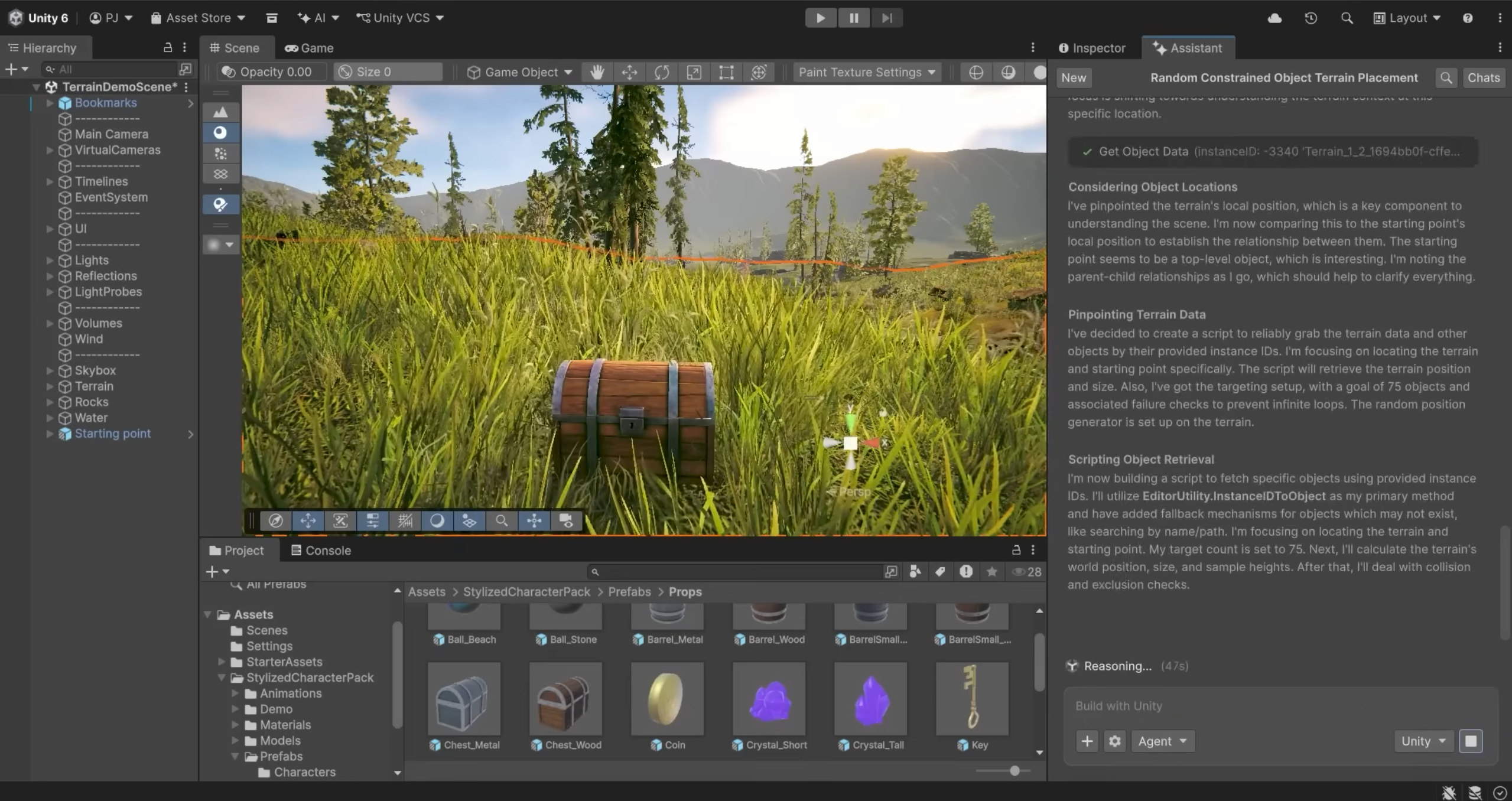
One particularly interesting decision is Spark's connection to the Unity Asset Store. Rather than building everything from AI-generated imagery, creators will have access to thousands of assets produced by professional artists.
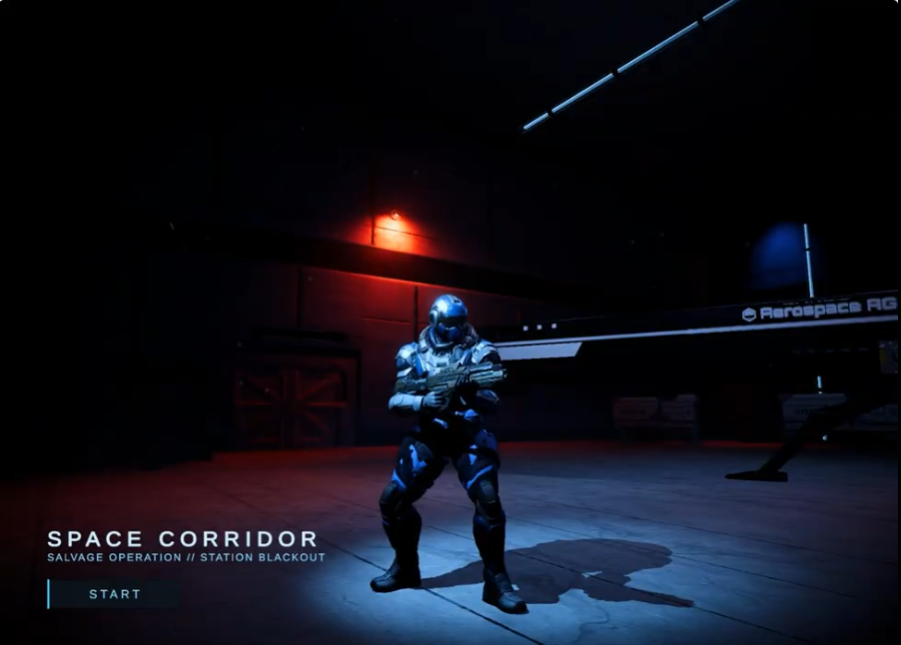
Unity has already published playable examples, including Space Corridor, a science-fiction shooter in which players battle alien drones while working to restore a spaceship's systems.
Spark is currently in testing, with a closed beta planned for later in 2026. Its complete production capabilities have not yet been demonstrated publicly.
WHY IT MATTERS
For an artist, one of the most frustrating barriers to making a game is everything that happens after the visual idea.
You might be able to design an extraordinary character, paint a beautiful environment or imagine an interesting combat system. Turning those elements into a functioning game requires an entirely different set of skills.
Spark is being built for people who have creative direction but may not possess all the technical disciplines needed to execute it.
The connection to professionally created assets is especially important. Artists contribute the content that gives a game its personality, while AI helps creators assemble, modify and bring that content to life.
Unity CEO Matthew Bromberg has emphasized that Spark is not intended to make game development a one-prompt activity. The company wants people to work on their ideas, refine them and create something distinctive.
That philosophy puts the creative decisions back where they belong: with the person making the game.
WHAT MAKES SPARK INTERESTING
Real 3D environments
Unity is targeting substantial interactive worlds rather than limiting the experience to simple browser games.
Professional game systems
The platform aims to provide more advanced mechanics through the Unity runtime.
Artist-created content
Integration with the Asset Store gives creators access to professionally developed characters, environments and other game assets.
A path to playable games
Creators should be able to build, refine and share experiences through the connected Google Playground ecosystem.
Making a game easier to build does not make the creative decisions less important. It gives more people the opportunity to make them.
VEYR ANGLE
Imagine a talented character artist who has always wanted to build a third-person adventure but never had the programming support to make one.
Spark points toward a future where that artist can begin with their own characters and environments, direct the gameplay through conversation, and gradually build an experience people can actually play.
For small teams and independent creators, that would be a meaningful change.
Unity still has to demonstrate how far Spark can take a sophisticated 3D project. But the combination of established game-engine technology, professionally made assets and AI-assisted development makes this one of the more interesting initiatives to watch in game creation.