Workflow · Breakthrough Workflows
Danse Macabre keeps AI inside a director-led animation pipeline
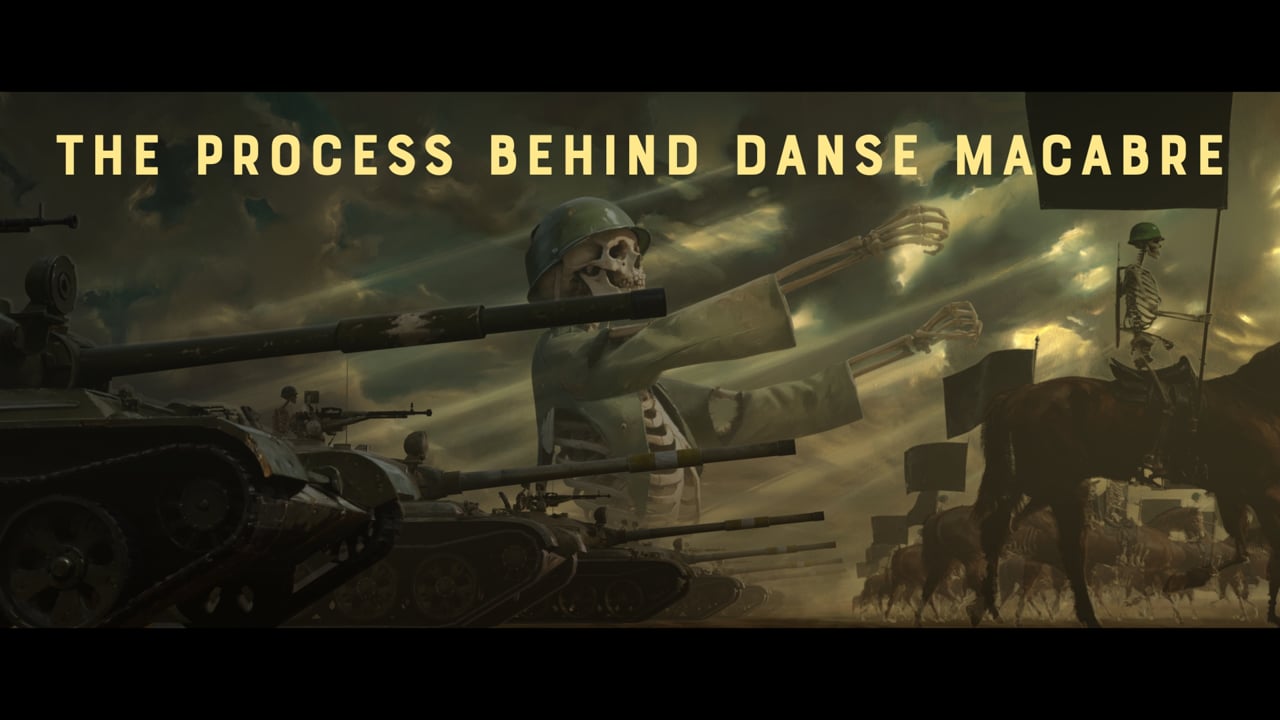
Danse Macabre shows a more controlled use of generative AI: Hisko Hulsing’s team used AI texture and stylization passes to support live-action reference, oil painting, 3D animation and manual finishing rather than asking a model to author the film.
Reporting updated Sep 26, 2026
THE TAKEAWAY
Danse Macabre shows a more controlled use of generative AI: Hisko Hulsing’s team used AI texture and stylization passes to support live-action reference, oil painting, 3D animation and manual finishing rather than asking a model to author the film.
What Happened
New production breakdowns show how Danse Macabre was built from live-action reference, 79 oil paintings, 3D animation and a compositing pipeline. For AI-assisted stylization, the team used Hulsing’s own paintings with Stable Diffusion, AnimateDiff, ControlNet and ComfyUI, breaking difficult mass scenes into smaller pieces and stitching them back together in TVPaint with frame-by-frame correction.
Why It Matters
This is the kind of AI workflow VEYR should highlight: the model is a controlled production tool inside a director-led pipeline, not the author of the film. It demonstrates how generative texture passes can bridge 3D and handmade art while preserving human staging, animation, painting and finishing.
VEYR Angle
Danse Macabre makes a stronger case for AI in animation than a one-prompt demo because the AI work is narrow, inspectable and surrounded by traditional craft.