Games · Model Watch
Google asked Gemini to build wizard chess. It created a 3D game.
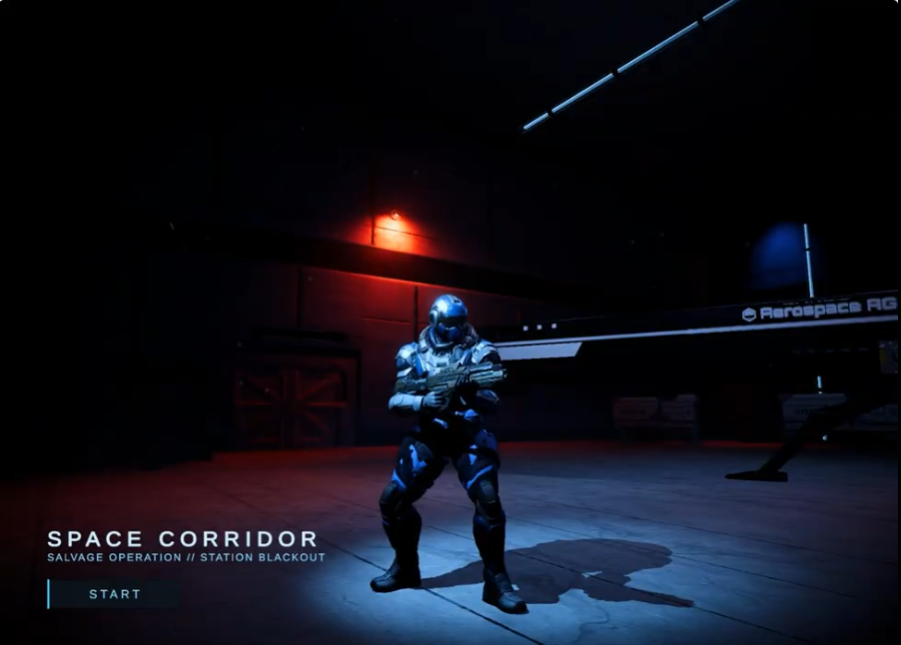
A fantasy chess demonstration from Gemini 4 Argon gives game creators something more interesting to look at than another AI benchmark: an interactive world.
Reporting updated Oct 15, 2026
From the creator
Animated fantasy chess pieces on a three-dimensional board in Google's Gemini 4 Argon demonstration.View original post on X ↗
THE TAKEAWAY
Google's new Gemini 4 Argon model can help turn game concepts into interactive 3D prototypes. A wizard-chess demonstration shared by Google DeepMind shows why that capability is attracting attention from creators.
WHAT HAPPENED
If you remember Battle Chess, the old computer game where chess pieces came alive and fought one another, Google's latest demonstration might look familiar.
To show what Gemini 4 Argon can do, the Google DeepMind team asked the model to create a wizard-chess game.
The result is a 3D fantasy chess experience with animated pieces and an interactive board.
Demis Hassabis, Google DeepMind's co-founder and chair, shared the demonstration on October 13, highlighting the model's ability to work with 3D modeling and physics.
It's a fun example of something game creators are increasingly exploring: using AI not just to write individual pieces of code, but to help assemble interactive experiences.
Argon is Google's latest frontier model, released to developers and paying Gemini subscribers on October 13. Its coding capabilities are designed for complex tasks that involve multiple steps, substantial context and working software.
WHY IT MATTERS
For a small game team, the first playable version of an idea can be one of the hardest milestones.
A creator might know exactly how the game should look and feel, but getting characters, controls, environments and rules working together can take considerable time.
AI coding tools are beginning to make that first playable experiment easier to reach.
A wizard-chess demonstration is not proof that a model can produce a finished commercial game. The project's full production process, amount of human iteration and underlying toolchain have not been publicly established.
But it is an entertaining example of how a creator might explore a game concept before committing to a larger production.
WHAT CREATORS SHOULD KNOW
Interactive 3D
The demonstration goes beyond a static scene to show a functioning game experience.
Game development
Argon can generate code for interactive applications, opening opportunities for rapid prototypes.
Visual experimentation
Creators can explore 3D concepts without beginning with an entirely manual production process.
Availability
Argon is available through Google's paid developer tools and eligible Gemini subscriptions, with access varying by product.
The exciting part is getting from an idea for a game to something you can actually interact with.
VEYR ANGLE
A fantasy chess game might not be the most technically demanding showcase of a frontier AI model, but it speaks directly to what creators want to make.
They want characters that move, worlds that respond and ideas that can be tested rather than merely described.
That's why this little demonstration is worth watching.