Games · From the Field
Amberbrook’s creator says a publisher came calling after a two-week AI build
Mike Houser says he built the fantasy ARPG without knowing how to code, using AI to turn an idea into a substantial playable game in roughly two weeks. Now he says a publisher wants in.
Reporting updated Oct 1, 2026
From the creator
Original creator demonstration for Amberbrook’s creator says a publisher came calling after a two-week AI buildView original post on X ↗
THE TAKEAWAY
Amberbrook is interesting because it is starting to look less like an AI game experiment and more like an actual game. Houser says he went from not knowing how to code to building an ARPG with more than 12 hours of content, ten zones, bosses, spells, gear and progression — and receiving a publishing offer. That is a much more meaningful milestone than another impressive prototype.
From “I can’t code” to an ARPG
Houser has been sharing the development of Amberbrook, a fantasy action RPG he says came together in roughly two weeks.
His workflow combines AI coding models with three.js and TesanaAI. The project has since grown into more than 12 hours of playable content with levels 1–100, ten zones and biomes, bosses, spells and equipment.
Then came the detail that changed the story:
Houser says he received a publishing offer for Amberbrook.
The AI isn’t the interesting part anymore
We have seen plenty of AI-made game experiments.
Most demonstrate a mechanic, a visual style or an unusual workflow. Then the video ends.
Why this matters for creators
Amberbrook is pushing beyond that phase.
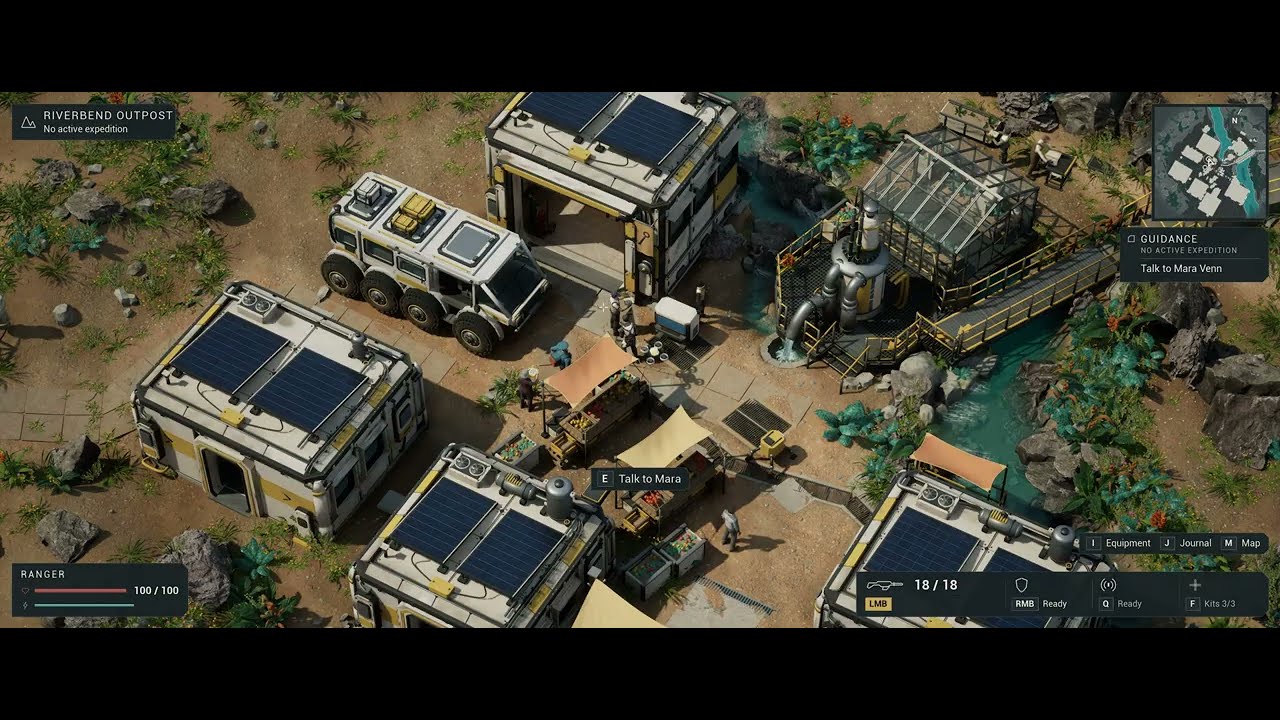
There are environments, combat, progression, loot, spells, bosses and a larger world structure holding everything together.
The question becomes less:
“Can AI make a game?”
And more:
“How far can one creator take this?”
For an experienced developer, AI coding tools can accelerate work they already understand.
Houser represents the more disruptive possibility: creators attempting projects in disciplines they previously could not execute at all.
That does not eliminate the need for design judgment, taste or finishing work. But it moves the starting line.
A creator who once needed engineers before testing an idea may now be able to build enough of the game to discover whether it deserves a team, funding — or a publisher.
THREE THINGS THAT STAND OUT
2 weeks
Houser says the initial game came together in roughly two weeks.
12+ hours
There is now enough content for Amberbrook to resemble a substantial game rather than a short demo.
Publisher interest
The project has progressed far enough that Houser says a publisher approached him with an offer.
“The interesting milestone isn’t that AI helped make the game. It’s that somebody wants to publish it.”
VEYR Editorial
What VEYR is watching
The next milestone is whether Amberbrook keeps improving after the explosive prototype phase: stronger combat, animation, environments and overall production quality.
If it does, Amberbrook could become a useful example of AI-native game development moving beyond demos and toward games people genuinely want to play.