Games · From the Field
Tripo’s creator examples separate making a model from making it move
The company describes workflows that pair specialist 3D generation with Astra or Codex for scene assembly and interaction.
Reporting updated Sep 23, 2026
THE TAKEAWAY
A convincing 3D model is only the start. Test one asset in the game or animation tool before generating the whole set.
What Happened
Tripo’s September 14 announcement highlights creators combining its 3D models with OpenAI tools. In one example, Simon Lee and Ring Hyacinth used Nano Banana for references, Tripo P2.0 for models and Codex for scenes, effects and interactions in an Alice in Wonderland game.
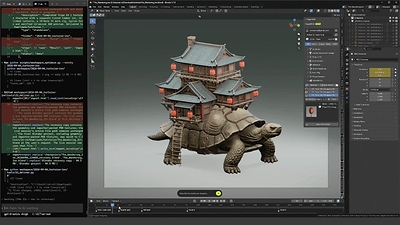
Tripo also describes creator Stefan using its H3.1 model with Blender MCP, then Astra for assembly and animation. These are examples selected and reported by Tripo.
Why It Matters
Splitting the job lets a small team change the asset-making step without throwing away all the scene logic. That only helps if the exported model arrives with the scale, materials and parts the next tool expects.
Check the Handoff
Import one object first. Inspect its size and materials, then test any part that needs to move. A clean preview is not enough if a joint bends badly or the mesh is too heavy for the target scene.
Keep a copy of the imported asset before making repairs. That gives you a concrete way to compare the next export and decide whether the new attempt actually reduced cleanup.
What the Examples Do Not Establish
These examples do not tell you how much cleanup your own asset will need. Test the handoff before planning the whole set.