Creators · Studio comparison
Netflix, Lionsgate and Hasbro are putting AI to three different jobs
Searchable footage, a studio-trained model and licensed character voices solve different problems. For creators, the first question is which job each tool can help them finish.
THE TAKEAWAY
Netflix describes tools that help crews find footage and revise images while artists keep making the decisions.
Lionsgate’s Runway partnership concerns a studio model and planned productions; it is not open access to the studio’s catalog.
Hasbro reviews proposed character-voice deals, so a convincing demo still needs approval before it can become a product.
Three companies, three jobs
An editor searching hours of race footage, a filmmaker developing a studio property and a developer building a talking character need very different help.
Executives from all three appeared on the agenda for Variety’s September 17 Entertainment & Technology Summit. Their announcements describe three different relationships with creators: helping crews work, developing studio properties and licensing characters.
Netflix: find the shot, then make the decision
Netflix’s production work starts with a familiar problem: having the material but struggling to find it. In her September 11 IBC keynote, production executive Anna Mallett said footage for Drive to Survive’s ninth season was being tagged and transcribed as it reached the cloud. An editor could search for a particular incident instead of working through the footage by hand.
She also described a production partner generating hospital concept art for the Polish drama Anaesthesia, then refining it manually. For the crew, the useful starting point is a searchable shot or a concept artists can revise.
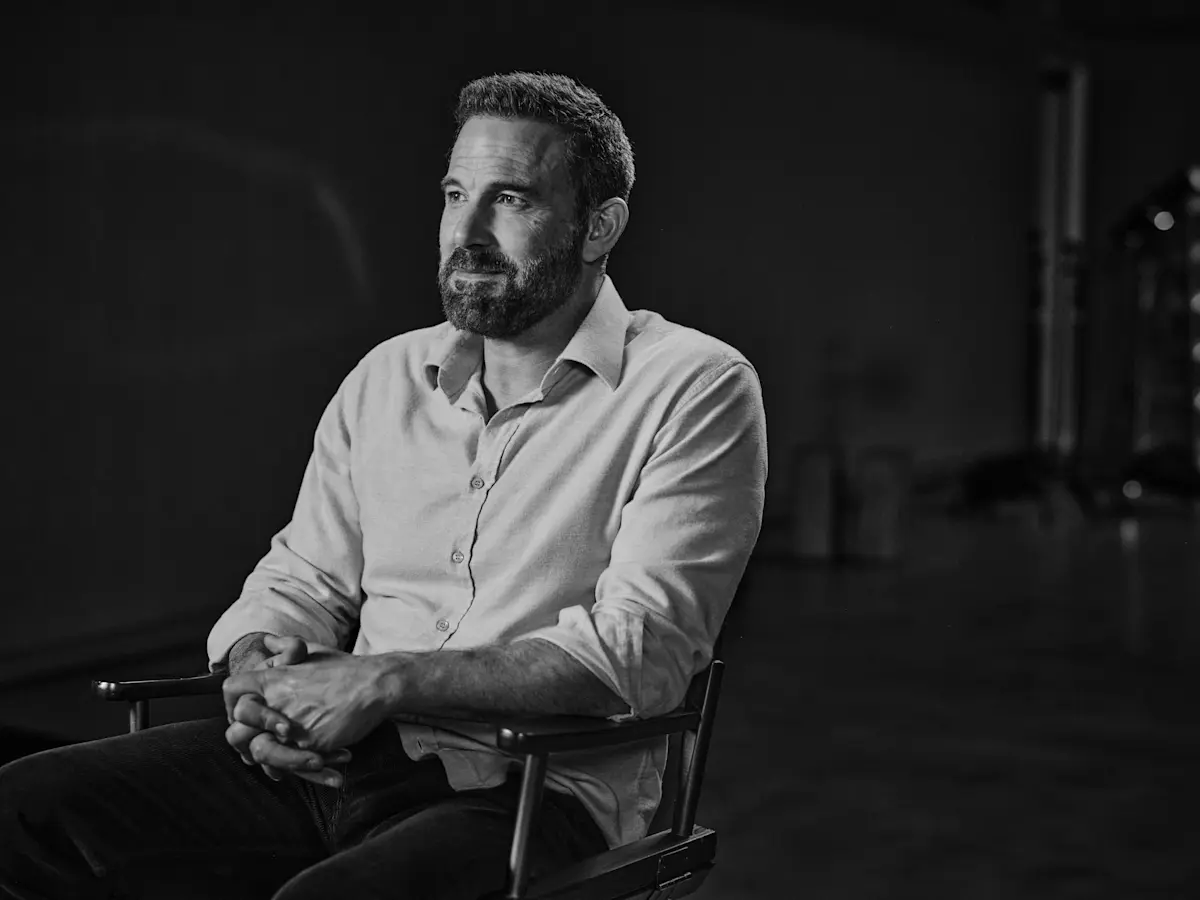
Netflix’s March acquisition of Ben Affleck’s InterPositive adds another piece. Affleck described filmmaking models built around visual consistency, with uses such as background replacement and correcting lighting.
Lionsgate: build around the studio’s material
Lionsgate’s relationship with Runway began with a different proposition. Their September 2024 agreement centered on a custom model trained on the studio’s proprietary catalog, intended to support its filmmakers.
In June 2026, Runway said Lionsgate had taken an equity stake and the partners planned a joint development program. Short-form episodic projects drawing on existing Lionsgate properties were part of that plan. A delivered series would give filmmakers something much more useful to inspect than an announcement: how the generated work holds together across scenes, revisions and episodes.
Runway’s announcement describes planned projects, not finished episodes. A partnership announcement also does not give an outside filmmaker permission to use Lionsgate characters or upload studio material to another service. Access to the model and access to the property are questions to settle before development begins.
Hasbro: the character comes with conditions
Hasbro’s Sixth Wall studio is working on characters that can respond to people. Its June launch announcement described CharacterOS as a way to maintain a character’s personality, voice and boundaries during an interaction. The initial enterprise work targets audiences aged thirteen and above.
ElevenLabs offers a concrete example through licensed voices including Megatron and Cobra Commander. Its current page says proposed deals go through Hasbro review, and lists some characters, including Optimus Prime, as coming soon. A voice appearing in the catalog does not mean every proposed use has been approved.
That changes the brief for a developer. The job includes deciding what the character may say and do after somebody starts talking to it. A recognizable voice can get an experience started; the approval process and character rules shape what can actually ship.
Why It Matters
A small team can waste a lot of development time by treating all three offers as interchangeable. Before building a demo around a partner’s AI program, establish the job it supports and the permission it supplies. A tool for finding footage will not clear a character license; a character voice will not settle how an interactive experience is allowed to behave.
The useful first conversation is specific: here is the scene or interaction we want to make, here is the material we need, and here is who will approve it. That gives a team something it can plan around.
What to watch next
Look for finished work from Lionsgate’s joint program, usable access details for Netflix’s filmmaking tools and public examples from Sixth Wall’s pilots.
For creators, the revealing details will be ordinary ones: how a shot gets revised, how long an approval takes and what happens when an output misses the brief. That is where a promising demonstration becomes a tool a team can depend on.