Film · Breakthrough Workflow
Tim Simmons rebuilt The Bridge with AI — then made the first cut himself
His fantasy short combines GPT-6 Astra, Runway generation and a conventional edit. The useful lesson is choosing which tasks to hand over.

THE TAKEAWAY
Simmons says he cut the film in Premiere himself because that was quicker than asking an agent to do it.
Runway connected generation to his assistant, while dedicated editing software handled the cut and finish.
Count time spent rejecting and repairing takes before treating Simmons’ day-and-a-half remake as a timetable for your own film.
The film behind the workflow
Tim Simmons’ The Bridge has a simple bargain at its center: a ghoul will let a barbarian cross if he tells a story. Simmons returned to his 2025 short with a new set of tools in 2026, giving him a familiar film to rebuild rather than a blank page.
His credits name Seedance 2.5 for video, GPT Image 2 for images and GPT-6 Astra for assistance. The shots were generated through Runway, then edited in Premiere Pro and finished in DaVinci Resolve.
Plan, generate, choose
In his September 18 production notes, Simmons describes reconstructing the script and shot list, preparing references and approving or rejecting the returned assets. He selected screenshots from character rotations manually. The assistant could help produce material, but selecting the useful reference angles still fell to him.
Runway’s MCP connector helps explain the arrangement. It lets a compatible assistant request generation and return images or clips to the conversation. Runway says it uses the creator’s account and plan. Simmons still had to choose which performances belonged in the film.
Edit first, automate the handoff
Simmons says he made the first cut himself in Premiere because it was faster. An XML handoff then took that cut to Resolve for assisted color, titles and audio mixing. He reports finishing the remake in roughly a day and a half, including cleanup. VEYR has not reproduced that turnaround.
For someone trying this setup, the handoff deserves its own test. Before generating a whole sequence, test one clip in the editor you plan to use. Runway’s changelog distinguishes model and export capabilities; check the output of the model you actually plan to use before building a whole sequence around it.
Why It Matters
Simmons kept the part he could do faster and handed over work around it. For a small film team, that is a useful way to test automation: try it on one production task, then judge whether it gets the next usable version of the scene ready sooner.
An assistant does not have to make the entire film to earn its place. If setting it up takes longer than making the cut, the editor should make the cut.
What to check before your next scene
Simmons also reports unwanted music in some generated takes despite instructions. His finishing setup relies on Resolve Studio’s scripting support. Listen to the clips and check the software requirements before assuming the same arrangement will work on your machine.
Start with a scene that includes the continuity problem your film needs to solve: the same character across angles, for example, or an action that must match between shots. Record the time spent generating, rejecting and repairing takes as well as the time spent editing. The finished sequence is the test; a fast first generation is only one step toward it.
Watch The Bridge
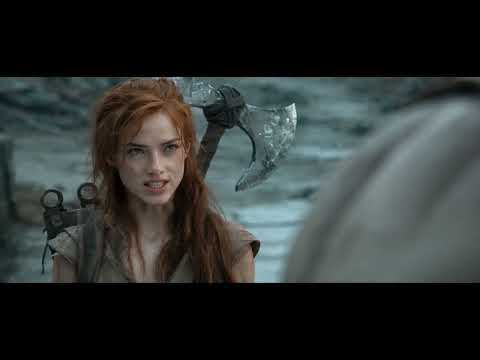 Watch the official film on Tim Simmons’ site ↗