Tools · Model Watch
GPT‑6.2 Astra moves beyond 3D prompts and into working simulations
OpenAI's new models can build interactive browser experiences, construct mechanical systems and combine Python simulation with Blender animation. For game and film creators, the most interesting shift is from generating visuals to building tools that actually do something.
Reporting updated Nov 18, 2026
THE TAKEAWAY
GPT‑6.2 Astra is being demonstrated as more than a coding assistant or visual generator. OpenAI is showing it constructing 3D scenes, modeling mechanical systems and producing working interactive experiences. The question for creators is how much useful production work those results can replace or accelerate.
WHAT HAPPENED
OpenAI introduced GPT‑6.2 Astra and GPT‑6.2 Sol on November 17, bringing improvements in coding, computer use and visual reasoning to ChatGPT Work, Codex and the API.
Astra is the higher-capability model, while Sol is designed to handle everyday development work more efficiently.
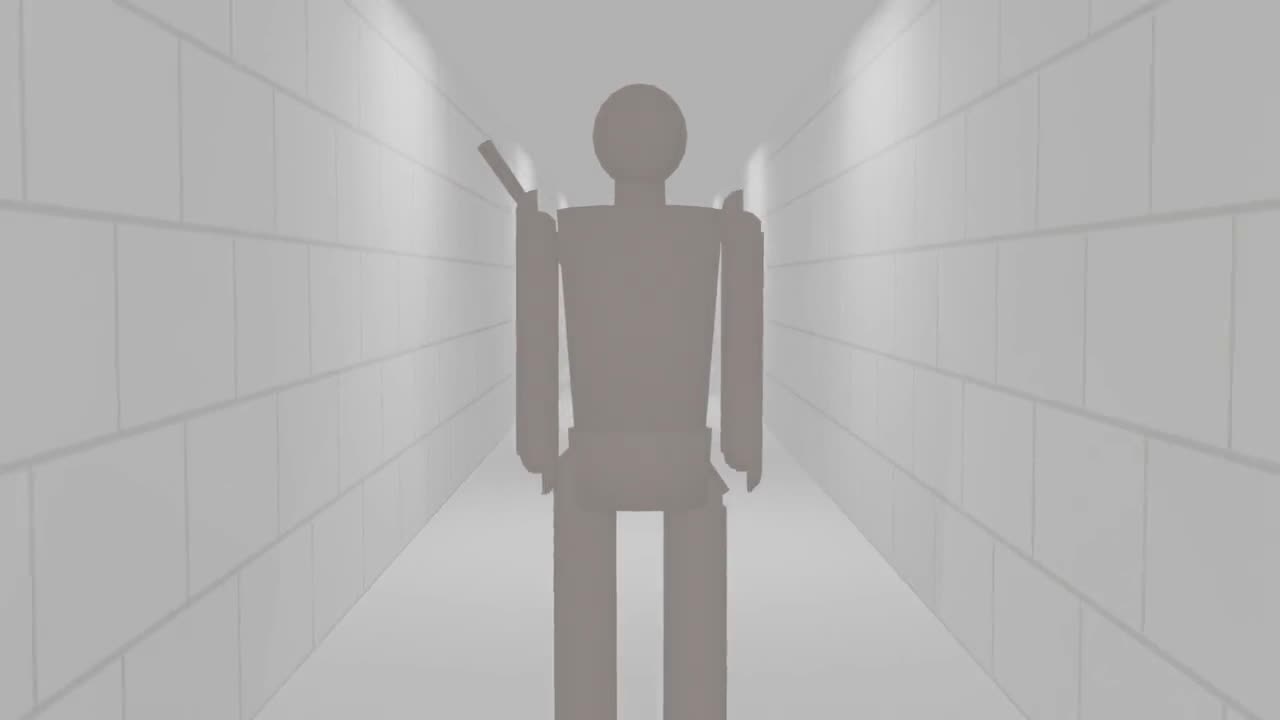
Among the launch demonstrations, the most interesting for creators is a car-suspension simulation.
OpenAI asked Astra to visualize a car driving along a mountain road. The model constructed a 3D vehicle, wrote a Python solver for the interaction between tires, suspension and chassis, and animated the result in Blender.
Other demonstrations include mechanical assemblies, a lamp designed through CAD and assembled physically, and playable browser experiences ranging from a pinball table to an explorable Colosseum.
These are different from generating a polished still image. They involve building interconnected geometry, code and behavior.
OpenAI reports that Astra leads its cited AA‑3D human-preference comparison with 1,318 Elo, ahead of Claude Fable 5.2 and GPT‑6.2 Sol. Higgsfield also reports improvements in one-shot 3D generation in its internal evaluations.
These remain company and partner-reported results rather than independent VEYR production tests.
WHY IT MATTERS
For game developers, a playable prototype can answer questions that a concept image cannot. Can the player navigate the environment? Does an interaction work? Can the underlying code be changed?
For filmmakers and 3D artists, creating a scene with functioning cameras, objects and animation controls gives the result somewhere useful to go next.
GPT‑6.2 Astra's demonstrations suggest progress on exactly those problems.
The limitations still matter. A browser scene is not automatically a production-ready game. A generated mechanical simulation does not become physically accurate simply because its animation looks convincing. Artists and engineers still need to inspect geometry, verify behavior, test performance and judge the results.
THE CREATIVE CAPABILITIES TO WATCH
Blender simulation.
Generate a model, write code for its movement and animate the result inside a familiar 3D application.
Mechanical assemblies.
Build individual components that can be inspected together rather than producing only a surface-level illustration.
Playable browser worlds.
Turn written requirements into environments with navigation and interaction.
Visual production workflows.
Use stronger coding and computer-use capabilities to refine tools, scenes and interfaces across multiple steps.
VEYR ANGLE
The important development is that AI models are being asked to build experiences rather than just pictures of experiences.
For creators working in Blender, game engines and interactive media, that makes GPT‑6.2 worth watching closely. The next question is whether the same systems remain reliable when projects grow beyond controlled demonstrations into real production.