
Games · News
An indie studio pulled its public demo because it fears AI clones could beat it to market
Drunken Goddess Reflux was heading into Steam Next Fest. Its creators have replaced the public demo with a closed playtest, worried that rapid imitation could expose their distinctive game before launch.
Reporting updated Oct 19, 2026
THE TAKEAWAY
The creators of Drunken Goddess Reflux have cancelled their planned public demo because they fear that AI and other rapid-development tools could help competitors reproduce their game before it reaches the market. Rather than release the demo to everyone during Steam Next Fest, they are inviting selected players into a controlled playtest.
WHAT HAPPENED
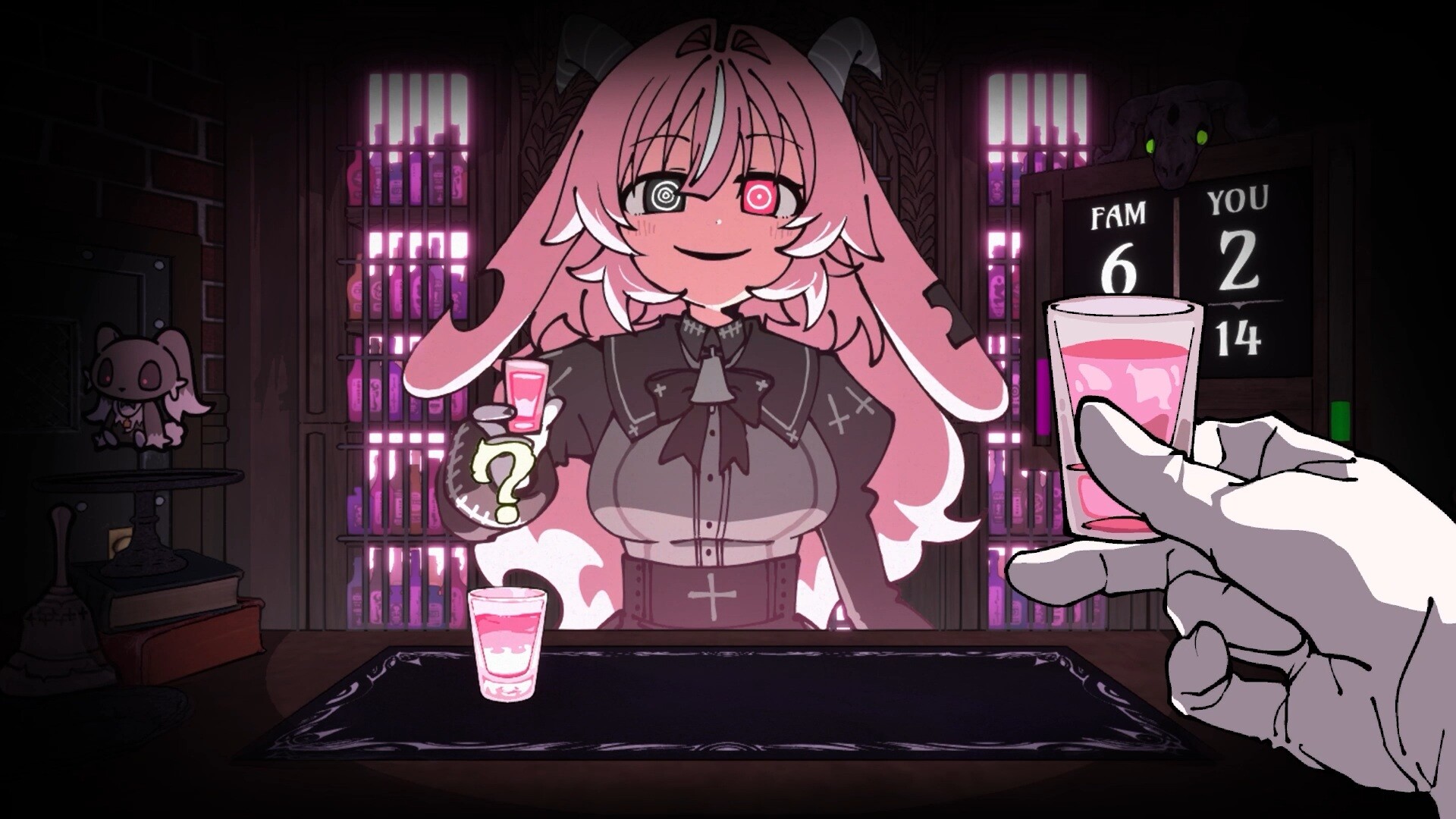
Deep inside a bar called Pandemonium, a pink-haired demon named Femme Soule waits to challenge the player to a dangerous drinking game.
The premise of Drunken Goddess Reflux is wonderfully strange. You sit across from a demon who wants to claim your soul, playing a twisted version of Russian roulette with shot glasses. The more you drink, the more the rules begin to change.
The game comes from WHO YOU and Alliance Arts, with a creative team responsible for its characters, music, animation and unusual drinking mechanics.
A public Steam demo was supposed to arrive on October 19.
Then the studio changed its plans.
In an October 16 announcement, publisher Alliance Arts said it was concerned that someone could use AI or other development tools to imitate the game's presentation and mechanics and release a competing project before the original launches.
The publisher was also uncomfortable with its ability to enforce restrictions on sharing gameplay footage.
Instead, the studio will invite a limited number of players into a closed test.
WHY IT MATTERS
Small game studios depend on visibility. Steam demos help developers attract wishlists, get feedback, reach creators and build interest before release.
But making a distinctive game public also reveals much of what makes it work.
With increasingly capable AI coding tools, the time needed to reproduce certain mechanics or visual ideas may be shrinking. Alliance Arts believes that risk is now serious enough to change its release strategy.
There is no verified evidence that Drunken Goddess Reflux has actually been cloned. This is the publisher's concern about what could happen.
The consequence, however, is already real: fewer players can experience the game before launch.
That creates an uncomfortable choice for independent creators. Public development helps them find an audience, but they may become more cautious about showing their work.
WHAT CHANGED
The public demo was cancelled.
Drunken Goddess Reflux will no longer receive its planned October 19 open demo.
Testing moves to Discord and Steam.
Selected applicants will receive access to a private playtest scheduled for October 23–31.
Footage sharing is restricted.
Participants must agree to rules governing gameplay posts and streams, allowing the team to gather feedback without exposing the same amount of material publicly.
The team still wants players to experience its game. It just no longer wants to show everyone the same build.
VEYR ANGLE
VEYR celebrates creators who use AI to make ambitious work possible. But AI-assisted production can also change the competitive environment for people building games by hand.
Drunken Goddess Reflux gives that tension a human face.
The studio has created something visually distinctive and wants people to play it. Yet the fear of being copied has become part of the decision about when and how to share it.
For indie creators, that is a development worth paying attention to—even if the feared imitation never materializes.


