
Games · The Signal
In Underbloom, every creature you defeat can become part of your body
Mohammed Motawea built a playable bioluminescent roguelite in eight days, directing AI-assisted code and art around a wonderfully strange creature-grafting mechanic.
Reporting updated Oct 13, 2026
In Underbloom, players steal legs, jaws and other body parts from monsters and attach them to a growing creature. Developer Mohammed Motawea built the playable browser game for a game jam, using Claude Code, DreamLayer and Magnific under his design and art direction.
WHAT HAPPENED
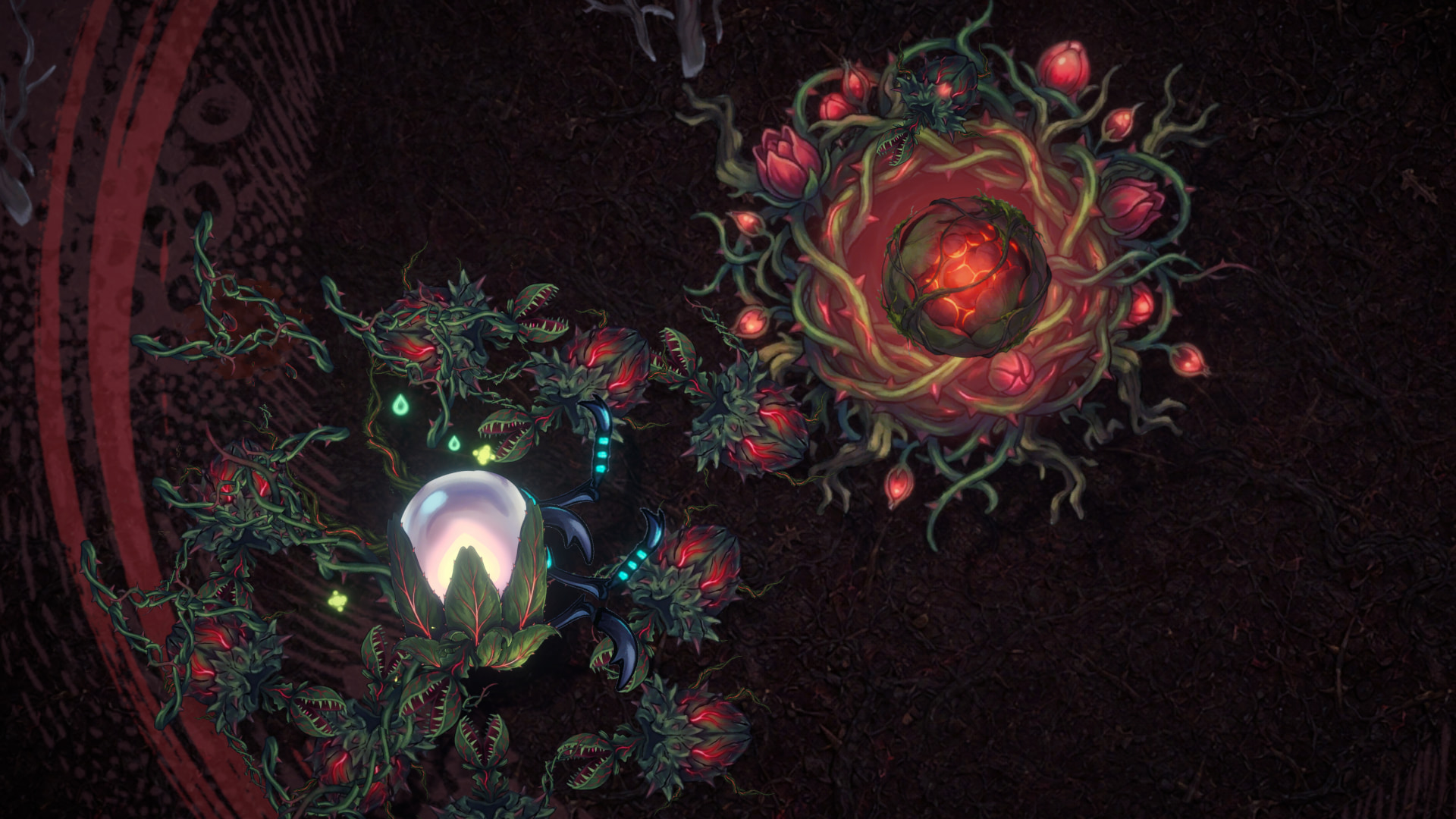
Meet the Glim, a tiny glowing creature with a big appetite. In Underbloom, you raid monster nests, fight their guards and steal the body parts they drop. A beetle's legs can change how you move. A toad's head lets you spit. New arms become weapons that attack on their own.
Egyptian game developer Mohammed Motawea built the game solo in eight days for October's DreamLayer Jam. The project is already playable in a desktop browser, with nest raids, grafting, molting and a Brood Queen encounter.
The clever production decision is that enemies and player upgrades use the same pieces. DreamLayer helped Motawea create consistent top-down creature references; he then separated the approved images into heads, legs, arms and bodies. A procedural rig in Unity makes those pieces walk, strike and wobble without conventional sprite-sheet animation.
Motawea says Claude Code handled programming stage by stage, while Magnific helped process and clean up the art. He wrote the design, set the visual direction, tested the game and approved each development stage before moving to the next.
WHY IT MATTERS
Underbloom is more interesting than a quick AI art showcase because its visual design and gameplay mechanic are the same idea. Every creature is a collection of reusable parts, and every part you steal changes what your character can do.
That makes the AI workflow concrete. The image tools needed to create consistent, separable creature pieces; the code needed to animate and attach them; and the designer needed to make the results fun to play. Motawea's eight-day schedule is creator-reported, but the public build gives readers something real to test.
VEYR ANGLE
A tiny jelly creature stealing a monster's legs is a terrific hook. What makes Underbloom worth sharing is that Motawea turned that hook into an actual game with a coherent look, a functioning combat loop and a clear record of how he made it.
HOW HE MADE IT
A playable idea
Steal parts from enemies and graft them onto your Glim to change movement, attacks and survival.
Consistent creature art
DreamLayer helped produce top-down creature references that could be separated into reusable body parts.
Procedural animation
Unity rigs animate those parts, so a stolen jaw or leg works on the player just as it did on the enemy.
Directed AI production
Claude Code wrote code and Magnific helped with art processing, while Motawea designed, tested and accepted the results.
“AI carried the development, and I directed it.” — Mohammed Motawea, creator discussion