
Games · The Signal
Two first-time game developers learned that AI-written code still needs careful testing
One Solution Games describes how a two-person team used AI assistance to build a Unity game, then had to become more disciplined as the project grew.
Reporting updated Sep 23, 2026
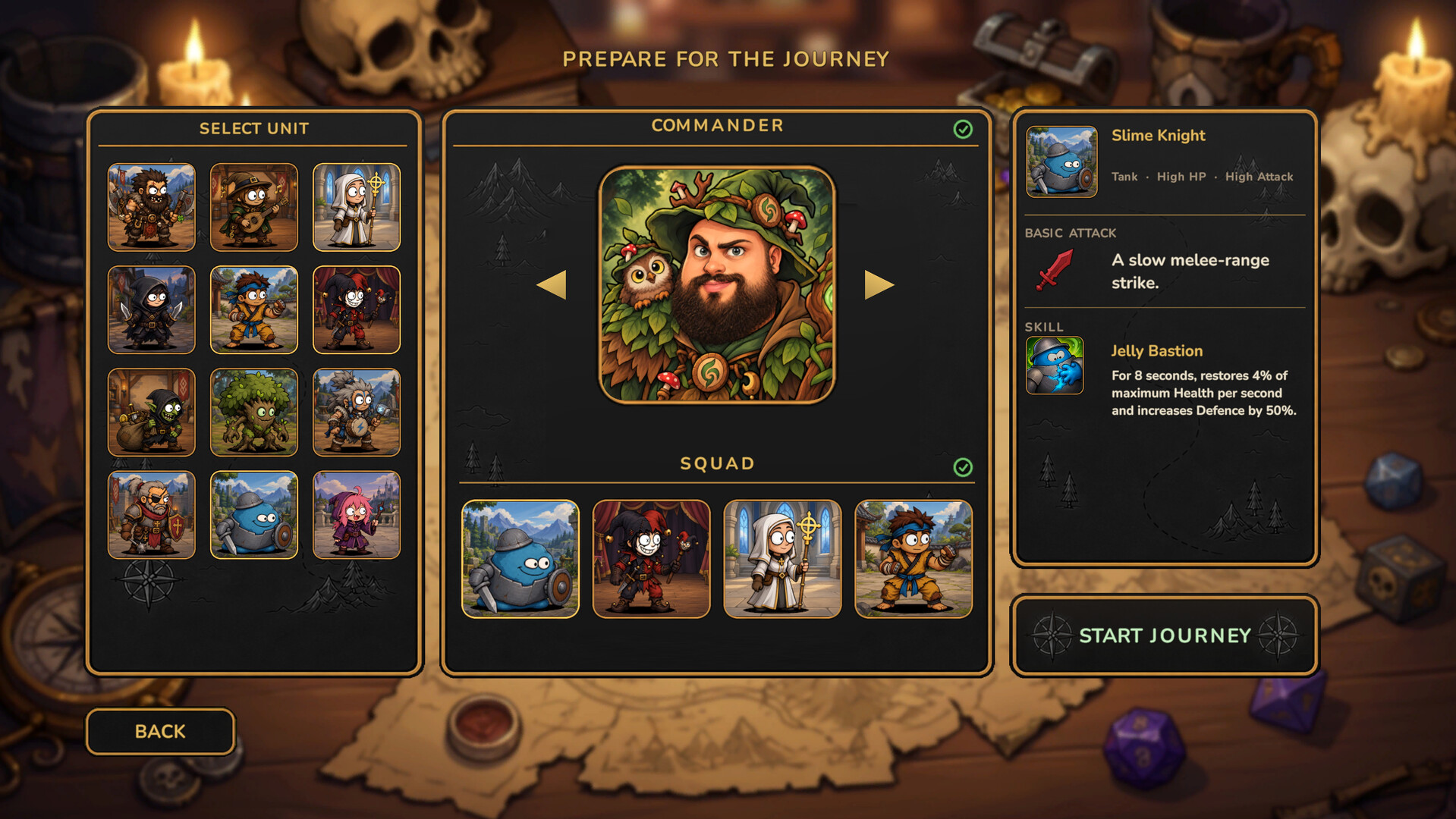
One Solution Games describes how a two-person team used AI assistance to build a Unity game, then had to become more disciplined as the project grew.
What Happened
The early stages of an AI-assisted game can feel fast. Describe a feature, generate code, test the result and move to the next idea. The two creators of GiGA BRAIN TACTICS followed that approach as they built their Unity auto-battler. Neither had substantial game-development experience when they began, according to their development account. As the project expanded, small changes became harder to contain. A change to combat could affect the interface, progression, audio or saved games. The developers responded by documenting systems more carefully, tracking earlier decisions and testing old behavior after new work. Their account describes a team learning production discipline while building the game.
Why It Matters
AI assistance may make it easier to add a feature, but it doesn't eliminate the connections between features. For a small team, checking old saves and encounters is part of making progress rather than an annoying final step.
VEYR Angle
This is a valuable creator story because it follows the work beyond the excitement of the first prototype. Shipping a game requires understanding what changes—and what must stay working.