Creators · News
At Carnegie Mellon, AI compute is becoming student infrastructure
A new $500 million investment in CMU’s computer-science school includes GPUs, servers, storage and expanded access to AI tools. For student creators, that matters more than the size of the donation.
Reporting updated Oct 1, 2026
THE TAKEAWAY
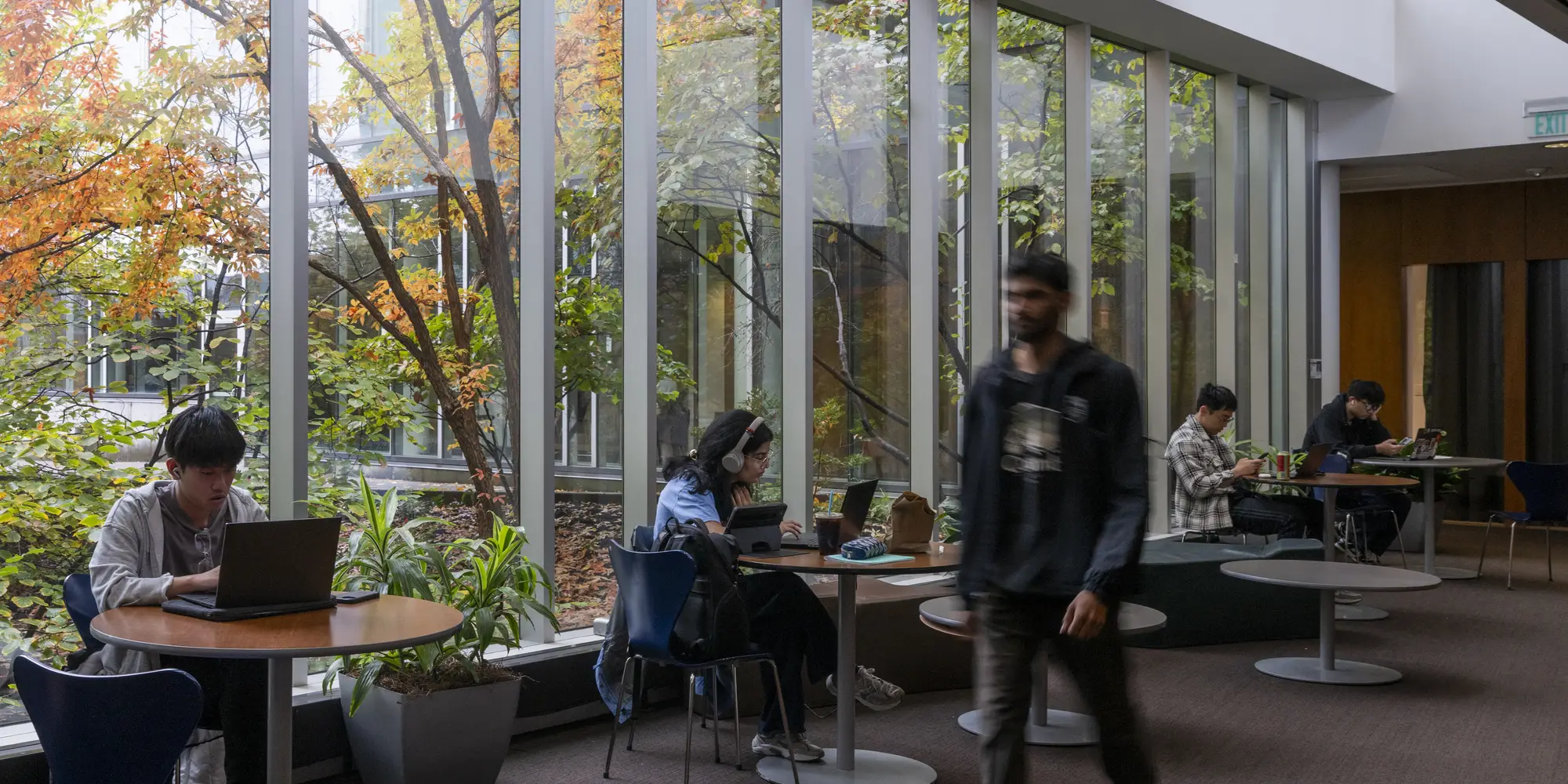
The interesting part is not who wrote the check. It is what students get access to. GPUs. Servers. Storage. Networking. AI tools. That makes serious AI compute look less like something students encounter after joining a company — and more like part of the campus itself.
The headline is $500 million. The story is access.
Ken Griffin’s larger commitment to Carnegie Mellon exceeds $3 billion, including $500 million for the School of Computer Science.
CMU says that money will expand GPUs, servers, storage, networking and student access to AI systems.
That means the university is not simply teaching students about AI.
It is investing in the infrastructure required to let them actually use it.
The creative lab is changing
A film school has cameras and editing suites.
A game program has labs full of capable PCs.
What happens when students get the tools first?
As AI becomes part of creative production, compute starts joining that list.
Training, fine-tuning, running local models and large-scale generation can require hardware or usage budgets students simply do not have.
A university can absorb that cost at a scale the individual cannot.
A student creator could graduate having spent years working with systems many professionals are only beginning to adopt.
A game-design student may already be comfortable with coding agents.
An animator may have experimented with generative motion and 3D.
A filmmaker may have mixed traditional production with generative video or previsualization.
That changes the starting point.
Students may be one of the most interesting groups to watch in AI creativity.
They have fewer established production habits to unlearn, and access to serious compute gives them room to experiment before commercial pressures narrow what they are allowed to try.
That is often where new workflows begin.
WHAT STUDENTS GET
GPUs
More access to the hardware behind modern AI work.
Compute infrastructure
Servers, storage and networking that individuals usually cannot provide themselves.
AI access
More room to experiment before entering a studio, startup or company.
THE NEW STUDENT TOOLKIT / Traditional creative skills
-
THE NEW STUDENT TOOLKIT / AI production skills
-
THE NEW STUDENT TOOLKIT / Institutional compute
THE NEW STUDENT TOOLKIT / A different kind of graduate
“AI compute is starting to look less like a premium service and more like a new kind of campus lab.”
VEYR Editorial
What VEYR is watching
If universities start treating AI compute like studios, libraries and computer labs, the impact will show up long before those students enter the workforce.
That could produce a generation of creators with a very different idea of how many people — and how much money — it should take to make something ambitious.